domingo

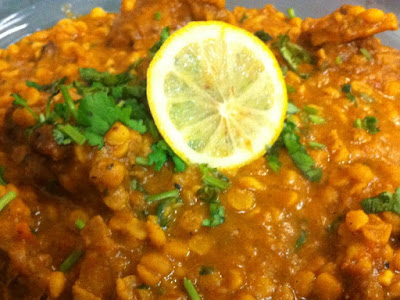
PAKISTANI DAAL CHANNA


Daal Chana (Split Chickpea Curry)

Ingredients:
- For the lentils:
  - 1 cup chana dal (split chickpeas), rinsed and soaked for 1-2 hours
  - 4 cups water
  - 1/2 teaspoon turmeric powder
  - 1/2 teaspoon salt

- For the curry:
  - 2 tablespoons vegetable oil or ghee
  - 1 medium onion, finely chopped
  - 2 medium tomatoes, chopped
  - 3 cloves garlic, minced
  - 1-inch piece of ginger, minced
  - 2 green chilies, slit lengthwise (optional)
  - 1 teaspoon cumin seeds
  - 1 teaspoon coriander powder
  - 1/2 teaspoon cumin powder
  - 1/2 teaspoon red chili powder (adjust to taste)
  - 1/2 teaspoon garam masala
  - Salt to taste
  - Fresh cilantro leaves, chopped (for garnish)

Instructions:

1. Cook the lentils:
   - Drain the soaked chana dal and place it in a large pot with 4 cups of water. Add the turmeric powder and salt.
   - Bring to a boil, then reduce the heat and let it simmer for about 30-40 minutes, or until the lentils are tender but not mushy. Skim off any foam that forms on the surface.
   - Once cooked, set the lentils aside. You can also use a pressure cooker to cook the lentils more quickly, following the manufacturer's instructions.

2. Prepare the curry base:
   - In a large pot or deep skillet, heat the vegetable oil or ghee over medium heat. Add the cumin seeds and let them sizzle for a few seconds until fragrant.
   - Add the chopped onions and sauté until they turn golden brown.
   - Add the minced garlic, ginger, and green chilies (if using). Sauté for another 2-3 minutes until fragrant.

3. Add the spices and tomatoes:
   - Add the coriander powder, cumin powder, and red chili powder to the pot. Stir well to combine with the onion mixture.
   - Add the chopped tomatoes and cook until they soften and break down, forming a thick sauce.

4. Combine lentils and curry base:
   - Add the cooked chana dal to the pot with the tomato mixture. Stir well to combine.
   - Add enough water to reach your desired consistency (usually about 1-2 cups). Bring the mixture to a boil, then reduce the heat and let it simmer for about 10-15 minutes, allowing the flavors to meld together.

5. Finish the curry:
   - Stir in the garam masala and adjust the seasoning with salt if needed.
   - Let the curry simmer for another 2-3 minutes.

6. Garnish and serve:
   - Garnish the Daal Chana with fresh cilantro leaves.
   - Serve hot with steamed basmati rice or naan.

MALAYSIAN PRAWN CURRY


Malaysian Prawn Curry

Ingredients:
- For the curry paste:
  - 3 dried red chilies, soaked in warm water until soft
  - 3 fresh red chilies, chopped
  - 1 medium onion, chopped
  - 3 cloves garlic, chopped
  - 1-inch piece of ginger, chopped
  - 1 stalk lemongrass (white part only), chopped
  - 1 teaspoon shrimp paste (belacan)

- For the curry:
  - 1 lb (450 g) prawns, peeled and deveined
  - 2 medium potatoes, peeled and cut into cubes
  - 1 medium onion, sliced
  - 1 cup coconut milk
  - 1 cup water or seafood broth
  - 2 tablespoons vegetable oil
  - 1 teaspoon turmeric powder
  - 1 teaspoon coriander powder
  - 1 teaspoon cumin powder
  - 2 tablespoons tamarind paste
  - 1 tablespoon sugar
  - Salt to taste
  - Fresh cilantro leaves, chopped (for garnish)

Instructions:

1. Prepare the curry paste:
   - In a blender or food processor, combine the soaked dried red chilies, fresh red chilies, chopped onion, garlic, ginger, lemongrass, and shrimp paste. Blend until you get a smooth paste. Add a little water if necessary to help with the blending.

2. Cook the curry paste:
   - Heat the vegetable oil in a large pot over medium heat. Add the curry paste and sauté for about 5-7 minutes, or until the oil separates from the paste and it becomes fragrant.

3. Add the spices and vegetables:
   - Add the turmeric powder, coriander powder, and cumin powder to the pot. Stir well to combine with the paste.
   - Add the cubed potatoes and sliced onion. Stir to coat them with the spice mixture.

4. Cook the vegetables:
   - Pour in the water or seafood broth and bring to a boil. Reduce the heat and let it simmer for about 15 minutes, or until the potatoes are almost tender.

5. Add the prawns and coconut milk:
   - Add the prawns to the pot and stir well.
   - Pour in the coconut milk, tamarind paste, and sugar. Stir to combine everything.

6. Simmer the curry:
   - Let the curry simmer for about 5-7 minutes, or until the prawns are cooked through and the potatoes are tender. The prawns should be pink and opaque.
   - Taste and adjust the seasoning with salt if needed.

7. Garnish and serve:
   - Garnish the Malaysian Prawn Curry with fresh cilantro leaves.
   - Serve hot with steamed jasmine rice or roti.

VIETNAMESE CA RI TOM (SHRIMP CURRY)


Vietnamese Shrimp Curry (Cà Ri Tôm)

Ingredients:
- For the curry:
  - 1 lb (450 g) shrimp, peeled and deveined
  - 2 medium potatoes, peeled and cut into cubes
  - 2 medium carrots, peeled and cut into chunks
  - 1 bell pepper, sliced
  - 1 medium onion, finely chopped
  - 3 cloves garlic, minced
  - 1-inch piece of ginger, minced
  - 2 tablespoons lemongrass, finely chopped (or use lemongrass paste)
  - 2 tablespoons curry powder (Vietnamese curry powder if available)
  - 1 teaspoon turmeric powder
  - 1 can (14 oz/400 ml) coconut milk
  - 1 cup chicken or vegetable broth
  - 2 tablespoons fish sauce
  - 1 tablespoon sugar
  - 2 tablespoons vegetable oil
  - Salt and pepper to taste
  - Fresh cilantro or Thai basil leaves, chopped (for garnish)

Instructions:

1. Prepare the vegetables:
   - In a large pot, heat the vegetable oil over medium heat. Add the chopped onions and sauté until they become translucent.
   - Add the minced garlic, ginger, and lemongrass. Sauté for another 2-3 minutes until fragrant.

2. Add the spices:
   - Stir in the curry powder and turmeric powder. Cook for about 1 minute to release the flavors of the spices.

3. Cook the vegetables:
   - Add the cubed potatoes and carrots to the pot. Stir to coat them with the spice mixture.
   - Pour in the chicken or vegetable broth and bring to a boil. Reduce the heat and let it simmer for about 15 minutes, or until the potatoes and carrots are almost tender.

4. Add the shrimp and bell pepper:
   - Add the sliced bell pepper and the shrimp to the pot. Stir well to combine.
   - Pour in the coconut milk, fish sauce, and sugar. Stir to mix everything together.

5. Simmer the curry:
   - Let the curry simmer for about 5-7 minutes, or until the shrimp are cooked through and the vegetables are tender. The shrimp should be pink and opaque.
   - Taste and adjust the seasoning with salt and pepper if needed.

6. Garnish and serve:
   - Garnish the Vietnamese Shrimp Curry with fresh cilantro or Thai basil leaves.
   - Serve hot with steamed jasmine rice or crusty bread.

SRI LANKAN EGG CURRY


Sri Lankan Egg Curry

Ingredients:
- For the curry:
  - 6 hard-boiled eggs, peeled
  - 2 medium onions, finely chopped
  - 2 medium tomatoes, chopped
  - 2-3 green chilies, slit lengthwise
  - 3 cloves garlic, minced
  - 1-inch piece of ginger, minced
  - 1 cup coconut milk
  - 2 tablespoons vegetable oil or coconut oil
  - 1 teaspoon mustard seeds
  - 1 teaspoon cumin seeds
  - 1 teaspoon fenugreek seeds
  - 1 sprig curry leaves
  - 1 teaspoon turmeric powder
  - 1 tablespoon curry powder (Sri Lankan curry powder if available)
  - 1 teaspoon chili powder (adjust to taste)
  - 1 teaspoon ground black pepper
  - Salt to taste
  - Fresh cilantro leaves, chopped (for garnish)

Instructions:

1. Prepare the eggs:
   - Heat a tablespoon of oil in a large pan over medium heat. Add the hard-boiled eggs and fry them until they are golden brown all over. This helps to create a slightly crispy exterior and enhances their flavor. Remove and set aside.

2. Make the curry base:
   - In the same pan, add another tablespoon of oil. Add the mustard seeds, cumin seeds, and fenugreek seeds. Let them sizzle for a few seconds until fragrant.
   - Add the chopped onions, green chilies, and curry leaves. Sauté until the onions turn golden brown.
   - Add the minced garlic and ginger. Sauté for another 2-3 minutes until fragrant.

3. Add the spices:
   - Add the turmeric powder, curry powder, and chili powder. Stir well to combine with the onion mixture.
   - Add the chopped tomatoes and cook until they soften and start to break down into the sauce.

4. Cook the curry:
   - Pour in the coconut milk and stir to combine. Bring the mixture to a simmer.
   - Add salt and ground black pepper to taste. Let the curry simmer for about 10-15 minutes, allowing the flavors to meld and the sauce to thicken slightly.

5. Combine all ingredients:
   - Gently add the fried eggs to the curry. Spoon some of the sauce over the eggs to coat them. Let the curry simmer for another 5 minutes, allowing the eggs to absorb some of the flavors.
   - Taste and adjust the seasoning if needed.

6. Garnish and serve:
   - Garnish the Sri Lankan Egg Curry with fresh cilantro leaves.
   - Serve hot with steamed rice, roti, or any flatbread of your choice.

NEPALI ALOO TAMA (POTATO CURRY)


Nepali Potato Curry (Aloo Tama)

Ingredients:
- For the curry:
  - 3 medium potatoes, peeled and cut into cubes
  - 1 cup bamboo shoots (tama), rinsed and sliced
  - 1/2 cup black-eyed peas, soaked overnight
  - 2 medium tomatoes, chopped
  - 1 medium onion, finely chopped
  - 3 cloves garlic, minced
  - 1-inch piece of ginger, minced
  - 2 green chilies, chopped (optional)
  - 2 tablespoons mustard oil (or vegetable oil)
  - 1 teaspoon turmeric powder
  - 1 teaspoon cumin powder
  - 1 teaspoon coriander powder
  - 1 teaspoon red chili powder (adjust to taste)
  - 1 teaspoon garam masala
  - Salt to taste
  - Fresh cilantro leaves, chopped (for garnish)

- For tempering (optional):
  - 1 teaspoon mustard seeds
  - 1 teaspoon cumin seeds
  - 2 dried red chilies
  - 1 tablespoon ghee or oil

Instructions:

1. Prepare the black-eyed peas:
   - Drain the soaked black-eyed peas and cook them in a pot of boiling water until tender. This usually takes about 25-30 minutes. Drain and set aside.

2. Cook the potatoes and bamboo shoots:
   - In a large pot, heat the mustard oil over medium heat. Add the chopped onions and sauté until they turn golden brown.
   - Add the minced garlic, ginger, and green chilies (if using). Sauté for another 2-3 minutes until fragrant.
   - Add the chopped tomatoes and cook until they soften and start to break down.

3. Add the spices:
   - Add the turmeric powder, cumin powder, coriander powder, red chili powder, and salt. Stir well to combine with the tomato mixture.
   - Add the cubed potatoes and sliced bamboo shoots to the pot. Stir to coat the vegetables with the spices.
   - Pour in enough water to cover the potatoes and bamboo shoots. Bring the mixture to a boil, then reduce the heat to a simmer. Cover and cook until the potatoes are tender, about 20 minutes.

4. Combine all ingredients:
   - Once the potatoes are tender, add the cooked black-eyed peas to the pot. Stir to combine and let the curry simmer for another 5-10 minutes to allow the flavors to meld.
   - Adjust the seasoning with more salt if needed. Stir in the garam masala and let the curry simmer for a final 2-3 minutes.

5. Tempering (optional):
   - In a small pan, heat the ghee or oil over medium heat. Add the mustard seeds, cumin seeds, and dried red chilies. Let them sizzle for a few seconds until fragrant.
   - Pour this tempering mixture over the cooked curry and stir gently to incorporate.

6. Garnish and serve:
   - Garnish the Aloo Tama with fresh cilantro leaves. Serve hot with steamed rice or roti.

martes

SRI LANKA FISH CURRY DISHES


Sri Lankan cuisine boasts a rich variety of flavors, and fish curry is a staple dish enjoyed by many. Here are three traditional fish curry recipes from Sri Lanka:


Sri Lankan Fish Ambul Thiyal (Sour Fish Curry)


Ingredients:

- 500g fish (preferably tuna or mackerel), cut into chunks

- 2 tablespoons goraka (dried Malabar tamarind)

- 1 onion, sliced

- 2-3 green chilies, sliced

- 2 teaspoons fenugreek seeds

- 1 teaspoon mustard seeds

- 1 teaspoon cumin seeds

- 5-6 cloves garlic, minced

- 1-inch piece ginger, minced

- Curry leaves

- 1 tablespoon chili powder

- 1 teaspoon turmeric powder

- Salt to taste

- 1 cup thick coconut milk

- 2 tablespoons coconut oil


Instructions:

1. Soak goraka in warm water until it softens, then extract the juice.

2. Heat coconut oil in a pan and add fenugreek seeds, mustard seeds, and cumin seeds. Fry until they splutter.

3. Add sliced onion, green chilies, garlic, ginger, and curry leaves. Sauté until onions turn translucent.

4. Mix in chili powder and turmeric powder. Cook for a minute.

5. Add fish pieces and goraka juice. Season with salt. Stir gently to coat fish with the spices.

6. Pour in thick coconut milk and let it simmer until fish is cooked through and the curry thickens.

7. Adjust seasoning if needed and serve hot with rice.


Sri Lankan Fish Curry with Coconut Milk


Ingredients:

- 500g fish (any firm white fish), cut into pieces

- 1 onion, finely chopped

- 2 tomatoes, chopped

- 2 green chilies, sliced

- 1 tablespoon ginger-garlic paste

- 1 teaspoon mustard seeds

- 1 teaspoon fenugreek seeds

- 1 teaspoon turmeric powder

- 1 tablespoon chili powder

- 1 cup thick coconut milk

- Curry leaves

- Salt to taste

- 2 tablespoons coconut oil


Instructions:

1. Heat coconut oil in a pan. Add mustard seeds and fenugreek seeds. Fry until they splutter.

2. Add chopped onion, green chilies, and curry leaves. Sauté until onions are golden brown.

3. Stir in ginger-garlic paste and cook for a minute.

4. Add turmeric powder and chili powder. Mix well.

5. Add chopped tomatoes and cook until they soften.

6. Place fish pieces into the pan and gently coat them with the spice mixture.

7. Pour thick coconut milk over the fish. Season with salt.

8. Simmer gently until the fish is cooked through and the curry thickens.

9. Serve hot with rice or bread.


Sri Lankan Jaffna Fish Curry


Ingredients:

- 500g fish (preferably tuna or kingfish), cut into chunks

- 2 onions, sliced

- 4 cloves garlic, minced

- 1-inch piece ginger, minced

- 2 tomatoes, chopped

- 2-3 green chilies, sliced

- 1 tablespoon chili powder

- 1 teaspoon turmeric powder

- 1 tablespoon coriander powder

- 1 teaspoon fennel seeds

- 1 teaspoon cumin seeds

- Curry leaves

- 1 cup thin coconut milk

- 1 cup thick coconut milk

- Salt to taste

- 2 tablespoons coconut oil


Instructions:

1. Heat coconut oil in a pan. Add fennel seeds and cumin seeds. Fry until aromatic.

2. Add sliced onions, minced garlic, ginger, green chilies, and curry leaves. Sauté until onions are soft and golden brown.

3. Stir in chili powder, turmeric powder, and coriander powder. Cook for a minute.

4. Add chopped tomatoes and cook until they become soft.

5. Place fish pieces into the pan and gently mix with the spices.

6. Pour in thin coconut milk and season with salt. Simmer until fish is almost cooked.

7. Add thick coconut milk and simmer for a few more minutes until the curry thickens and the fish is cooked through.

8. Adjust seasoning if needed and serve hot with rice.


Enjoy Sri Lankan fish curry recipes!

lunes

HOW TO PREPARE TRADITIONAL CURRY DISHES


Here are three traditional curry recipes from different Asian countries:


1. Indian Chicken Curry:

Ingredients:

- 500g chicken, cut into pieces

- 2 onions, finely chopped

- 2 tomatoes, pureed

- 3 cloves garlic, minced

- 1-inch piece of ginger, grated

- 2 green chilies, slit

- 1 teaspoon cumin seeds

- 1 teaspoon coriander powder

- 1/2 teaspoon turmeric powder

- 1/2 teaspoon red chili powder

- 1/2 cup plain yogurt

- 2 tablespoons vegetable oil

- Salt to taste

- Fresh coriander leaves for garnish


Instructions:

1. Heat oil in a large pan over medium heat. Add cumin seeds and let them splutter.

2. Add chopped onions and sauté until golden brown.

3. Add minced garlic, grated ginger, and slit green chilies. Sauté for another 2 minutes.

4. Add tomato puree and cook until the oil separates from the mixture.

5. Add coriander powder, turmeric powder, and red chili powder. Mix well and cook for 2-3 minutes.

6. Add chicken pieces and coat them well with the masala mixture.

7. Whisk the yogurt until smooth and add it to the pan. Stir gently to combine.

8. Cover the pan and simmer for 20-25 minutes or until the chicken is cooked through and tender.

9. Adjust salt according to taste and garnish with fresh coriander leaves.

10. Serve hot with steamed rice or naan bread.


2. Thai Green Curry with Vegetables:

Ingredients:

- 1 can (13.5 oz) coconut milk

- 2 tablespoons green curry paste

- 1 cup mixed vegetables (such as bell peppers, carrots, broccoli, and snap peas)

- 200g firm tofu, cubed

- 2 tablespoons fish sauce (or soy sauce for a vegetarian option)

- 1 tablespoon palm sugar (or brown sugar)

- 1 kaffir lime leaf, torn into pieces

- Thai basil leaves for garnish

- Cooked jasmine rice for serving


Instructions:

1. In a saucepan, heat half of the coconut milk over medium heat until it starts to bubble.

2. Add green curry paste and stir well until fragrant, about 1-2 minutes.

3. Add the remaining coconut milk, mixed vegetables, and tofu. Stir to combine.

4. Season with fish sauce and palm sugar. Stir until the sugar is dissolved.

5. Add torn kaffir lime leaf and simmer for 10-15 minutes until the vegetables are tender.

6. Taste and adjust the seasoning if needed.

7. Remove from heat and garnish with Thai basil leaves.

8. Serve hot with jasmine rice.


3. Japanese Chicken Katsu Curry:

Ingredients:

- 4 boneless, skinless chicken breasts

- Salt and pepper to taste

- 1/2 cup all-purpose flour

- 2 eggs, beaten

- 1 cup panko breadcrumbs

- Vegetable oil for frying

- Cooked Japanese rice for serving


For the curry sauce:

- 2 onions, thinly sliced

- 2 carrots, diced

- 2 potatoes, diced

- 2 cloves garlic, minced

- 2 tablespoons vegetable oil

- 2 tablespoons curry powder

- 2 tablespoons all-purpose flour

- 3 cups chicken or vegetable broth

- 2 tablespoons soy sauce

- 1 tablespoon honey

- Salt to taste


Instructions:

1. Season the chicken breasts with salt and pepper. Dredge each piece in flour, dip in beaten eggs, and coat with panko breadcrumbs, pressing gently to adhere.

2. Heat vegetable oil in a large skillet over medium heat. Fry the chicken breasts until golden brown and cooked through, about 5-6 minutes per side. Drain on paper towels and set aside.

3. In a separate pot, heat vegetable oil over medium heat. Add minced garlic and cook until fragrant, about 1 minute.

4. Add sliced onions and cook until softened and caramelized, about 10 minutes.

5. Add diced carrots and potatoes. Cook for another 5 minutes.

6. Sprinkle curry powder and flour over the vegetables. Stir well to combine.

7. Gradually pour in chicken or vegetable broth, stirring constantly to avoid lumps.

8. Add soy sauce and honey. Season with salt to taste.

9. Simmer the curry sauce over low heat until thickened, about 15-20 minutes.

10. To serve, slice the chicken breasts and place them over cooked Japanese rice. Ladle the curry sauce over the chicken and rice.

11. Enjoy your Japanese chicken katsu curry hot!


These recipes offer a taste of the diverse flavors and culinary traditions associated with traditional curry dishes from India, Thailand, and Japan. Feel free to adjust the ingredients and spices according to your taste preferences and dietary restrictions.

HOW TO PREPARE CURRY SPICE


Preparing curry spice is relatively simple and allows for customization based on personal taste preferences. Here's a basic recipe for making curry spice at home:


Ingredients:

- 2 tablespoons ground coriander

- 1 tablespoon ground cumin

- 1 tablespoon ground turmeric

- 1 teaspoon ground ginger

- 1 teaspoon ground cinnamon

- 1/2 teaspoon ground cardamom

- 1/2 teaspoon ground cloves

- 1/2 teaspoon ground black pepper

- 1/4 teaspoon ground nutmeg

- Optional: chili powder or cayenne pepper for heat (adjust according to preference)


Instructions:

1. Gather your spices: Measure out all the spices listed above. You can adjust the quantities based on your taste preferences and the intensity of flavor you desire.


2. Toast whole spices (optional): If you have whole spices on hand, you can toast them in a dry skillet over medium heat until fragrant. This step helps to enhance the flavors of the spices but is optional if you're using pre-ground spices.


3. Combine the spices: In a mixing bowl, combine all the ground spices together. Mix well until thoroughly combined. You can also use a spice grinder to ensure a uniform texture, especially if some of your spices are not already ground.


4. Store in an airtight container: Transfer the curry spice blend to an airtight container, such as a glass jar or a spice container with a tight-fitting lid. Store the spice blend in a cool, dry place away from direct sunlight.


5. Label and date: Don't forget to label your curry spice blend with the date it was made. This helps you keep track of its freshness and ensures that you use it before it loses its potency.


6. Use in recipes: Your homemade curry spice blend is now ready to be used in a variety of recipes! Whether you're making a classic curry dish, seasoning meat or vegetables for grilling, or adding flavor to soups and stews, your homemade curry spice blend will add depth and complexity to your dishes.


Feel free to adjust the ingredients and proportions of the spices in this recipe to suit your taste preferences. You can also experiment with adding other spices or herbs to create your own signature curry spice blend. Enjoy exploring the world of flavors that homemade curry spice has to offer!

IN WHICH ASIAN COUNTRIES IS CURRY PREPARED AS A FOLKLORIC AND TRADITIONAL DISH?


Curry is prepared as a folkloric and traditional dish in several Asian countries, each with its own unique variations and culinary traditions. Some of the Asian countries where curry holds significant cultural and historical importance include:

1. India: As the birthplace of curry, India boasts a rich and diverse culinary heritage with countless regional variations of curry dishes. From the fiery vindaloo of Goa to the creamy korma of North India and the aromatic biryani of Hyderabad, curry is an integral part of Indian cuisine, enjoyed by people of all backgrounds and social classes.

2. Thailand: Thai cuisine features a variety of curry dishes, including the famous green, red, and yellow curries made with coconut milk, Thai herbs, and spices. Each curry has its own distinctive flavor profile, with green curry known for its spiciness, red curry for its richness, and yellow curry for its mild, aromatic flavors.

3. Japan: While not traditionally associated with curry, Japan has adopted curry as a beloved comfort food known as "kare." Introduced to Japan by British merchants in the late 19th century, Japanese curry is characterized by its thick, savory sauce made with a blend of spices, vegetables, and meat or seafood. It is often served over rice or noodles and enjoyed by people of all ages.

4. Indonesia: Indonesian cuisine features a variety of curry-like dishes known as "gulai" or "kari." These dishes are made with a rich, aromatic sauce flavored with a blend of spices such as turmeric, ginger, lemongrass, and galangal, along with coconut milk for richness. Gulai is typically served with rice and is enjoyed throughout the country.

5. Malaysia: Malaysian cuisine showcases a diverse array of curry dishes influenced by Malay, Chinese, Indian, and indigenous culinary traditions. From the spicy rendang of Malay cuisine to the creamy chicken curry of Indian-Malaysian cuisine and the aromatic fish head curry of Chinese-Malaysian cuisine, curry is an integral part of Malaysian culinary culture.

6. Sri Lanka: Sri Lankan cuisine features a variety of curry dishes known for their bold flavors and spicy heat. These dishes often incorporate a wide range of spices such as cinnamon, cardamom, cloves, and curry leaves, along with coconut milk for richness. Popular Sri Lankan curries include chicken curry, fish curry, and dhal curry, all served with rice or roti.

7. Bangladesh: Curry is a staple of Bangladeshi cuisine, with countless variations of dishes made with meat, fish, vegetables, and lentils. Bengali curries are known for their complex flavors and aromatic spices, often featuring mustard oil, nigella seeds, and fenugreek seeds for added depth of flavor.

These are just a few examples of the Asian countries where curry is prepared as a folkloric and traditional dish, reflecting the rich diversity of flavors, ingredients, and culinary traditions found across the continent.

EXPLORING THE FLAVORS OF CURRY SPICE ORIGINS


Curry spice, renowned for its aromatic blend of flavors and vibrant colors, has long been a staple in kitchens around the world. Originating from the Indian subcontinent, curry spice is a versatile seasoning that adds depth and complexity to a wide range of dishes. From aromatic curries to savory stews and fragrant rice dishes, curry spice has become synonymous with bold, exotic flavors and culinary creativity.

The term "curry" itself is a Western invention, derived from the Tamil word "kari," which means sauce or gravy. In its native India, curry spice refers to a diverse range of spice blends, each reflecting the regional flavors and culinary traditions of its origin. The exact composition of curry spice varies widely depending on the recipe and the preferences of the cook, but common ingredients include turmeric, cumin, coriander, fenugreek, ginger, garlic, and chili peppers.

One of the key ingredients in curry spice is turmeric, a bright yellow-orange spice prized for its earthy flavor and vibrant color. Turmeric not only lends its distinctive hue to curry spice but also boasts anti-inflammatory and antioxidant properties, making it a popular ingredient in traditional medicine.

Cumin, another essential component of curry spice, adds warmth and depth to the blend with its earthy, slightly nutty flavor. Coriander seeds, with their citrusy and floral notes, complement the cumin, while fenugreek seeds contribute a subtle bitterness and maple-like sweetness.

Other spices commonly found in curry spice blends include ginger, garlic, mustard seeds, cardamom, cloves, cinnamon, and black pepper, each adding its own unique flavor profile to the mix. Chili peppers, whether in the form of powder, flakes, or fresh, provide the characteristic heat and spice that define many curry dishes.

Preparing curry spice is a straightforward process that involves toasting whole spices and grinding them into a fine powder. This helps to release the aromatic oils and enhance the flavors of the spices, resulting in a more robust and flavorful blend.

To make curry spice at home, start by toasting whole spices such as cumin, coriander, fenugreek, and mustard seeds in a dry skillet over medium heat until fragrant, being careful not to burn them. Once toasted, allow the spices to cool before grinding them into a fine powder using a spice grinder or mortar and pestle.

Next, add ground turmeric, ginger, garlic, chili powder, and any additional spices or herbs of your choice to the mix, adjusting the quantities to suit your taste preferences. Blend the spices thoroughly to ensure a uniform consistency, then store the curry spice in an airtight container away from heat and light to preserve its freshness and flavor.

Curry spice is incredibly versatile and can be used in a wide range of dishes, from traditional Indian curries and stews to soups, sauces, marinades, and even baked goods. Experiment with different combinations of spices and ingredients to create your own unique curry spice blend, tailored to your personal taste preferences and culinary creations.

Whether you're a seasoned chef or an adventurous home cook, curry spice offers endless possibilities for exploring new flavors, textures, and culinary traditions. So why not spice up your next meal with the bold, exotic flavors of curry spice and embark on a culinary journey that's as diverse and vibrant as the spice itself?

viernes

COOKING & RAMADAN IN ASIA: A CULINARY JOURNEY OF TRADITION AND CELEBRATION


Ramadan, the ninth month of the Islamic lunar calendar, holds profound significance for Muslims worldwide. It commemorates the revelation of the Quran to Prophet Muhammad and is observed with fasting, prayer, reflection, and acts of charity. Across Asia, where a significant portion of the global Muslim population resides, Ramadan is celebrated with great fervor, marked by diverse culinary traditions, reflecting the region's rich cultural tapestry.


The practice of fasting during Ramadan has deep historical roots, dating back to the inception of Islam in the 7th century CE. As Islam spread across Asia, it brought with it a blend of religious teachings and local customs, influencing the culinary landscape of the region. Over time, Asian Muslims integrated indigenous ingredients, cooking techniques, and flavors into traditional Ramadan dishes, creating a unique fusion of Islamic and local cuisines.


Several Asian countries with large Muslim populations observe Ramadan as a month of spiritual devotion and culinary celebration. Among them, Indonesia, Pakistan, Bangladesh, India, Malaysia, and Singapore stand out for their vibrant Ramadan traditions and diverse culinary offerings.

Indonesia:

In Indonesia, the largest Muslim-majority country globally, Ramadan is a time of communal prayer, fasting, and feasting. One of the most cherished Ramadan dishes is "Rendang," a flavorful beef curry cooked with coconut milk and aromatic spices. Another popular dish is "Ketupat," rice cakes wrapped in woven palm leaves, often served with "Opor Ayam," a fragrant chicken curry.

Pakistan and Bangladesh:

In Pakistan and Bangladesh, Ramadan is celebrated with an array of traditional dishes reflecting the region's culinary heritage. "Chicken Biryani," a fragrant rice dish layered with spiced chicken, is a staple during Ramadan iftars. "Haleem," a hearty stew made from wheat, barley, lentils, and meat, is another cherished dish served during the holy month.

India:

In India, Ramadan is marked by a diverse array of culinary traditions influenced by the country's cultural and regional diversity. "Chicken Tikka Masala," succulent grilled chicken simmered in a rich tomato-based sauce, is a popular iftar dish in many Indian households. "Sheer Khurma," a creamy vermicelli pudding flavored with saffron, cardamom, and nuts, is often served as a sweet treat during Ramadan.

Malaysia:

Malaysia's multicultural society adds a unique flavor to Ramadan celebrations, with Malay, Chinese, and Indian influences shaping the culinary landscape. "Nasi Lemak," fragrant coconut rice served with spicy sambal, crispy anchovies, and boiled eggs, is a beloved Ramadan dish in Malaysia. "Lemang," glutinous rice cooked in bamboo tubes over an open fire, is another traditional delicacy enjoyed during the holy month.

Singapore:

In Singapore, a melting pot of cultures, Ramadan is a time of culinary diversity and communal harmony. "Mee Siam," spicy vermicelli noodles served with a tangy tamarind sauce, is a popular iftar dish among Singaporean Muslims. "Lontong," rice cakes served with vegetable curry and fried tofu, is also a favorite during Ramadan.

Other Festivities Alluding to Ramadan:

Beyond culinary traditions, Asian countries celebrate Ramadan with various cultural and social festivities. Night markets, known as "bazaars" or "Ramadan markets," come alive with bustling stalls selling an array of street food, snacks, and traditional sweets. Communities gather for "Taraweeh" prayers at mosques, fostering a sense of unity and spiritual renewal. Additionally, Muslims engage in acts of charity, known as "Zakat" and "Sadaqah," providing assistance to the less fortunate during Ramadan.

Cooking and Ramadan in Asia represent a fusion of culinary traditions, cultural heritage, and religious observance. Across the continent, Muslims come together to fast, pray, and share meals, strengthening bonds of community and faith. From Indonesia to Singapore, Pakistan to Malaysia, the diversity of culinary offerings during Ramadan reflects the vibrant tapestry of Asian cultures and traditions. As Muslims celebrate the holy month with gratitude and devotion, the rich flavors and aromas of traditional dishes serve as a reminder of the shared heritage and values that unite communities across Asia.


PAKISTANI DAAL CHANNA

  Daal Chana (Split Chickpea Curry) Ingredients: - For the lentils:   - 1 cup chana dal (split chickpeas), rinsed and soaked for 1-2 hours  ...